Five towers guarding Naples
Angevin ambition and Aragonese artistry meet—royal halls, a chapel’s hush, and a triumphal arch that bridges eras.
Table of Contents
Origins and early settlement
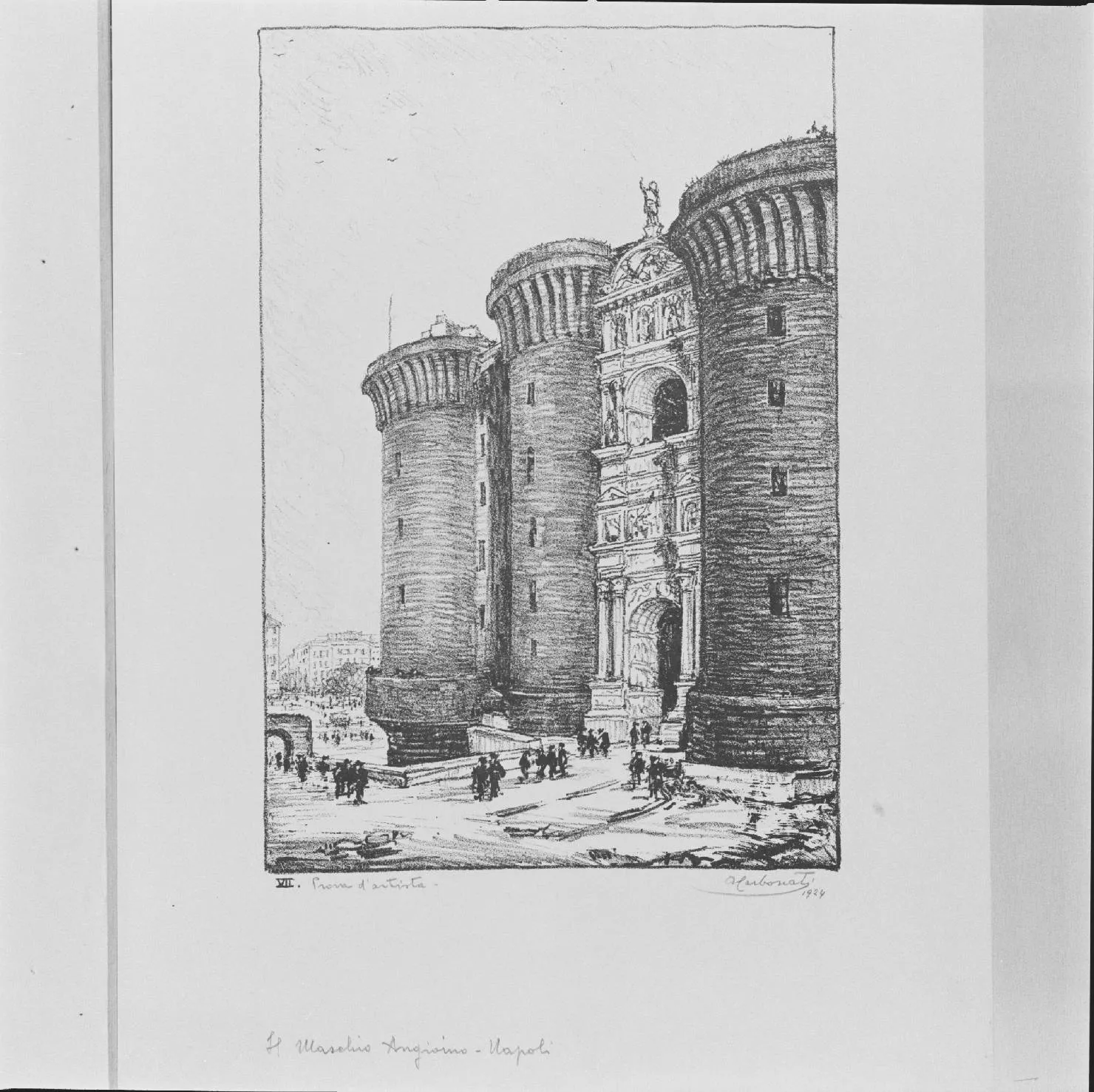
Castel Nuovo rose in the late 13th century under the Angevins, when Charles I of Anjou sought a new royal seat near the sea—closer to trade winds, fleets, and the pulse of a growing port. The choice marked a shift from older inland strongholds to a coastal fortress able to signal power to ships and citizens alike.
The first stone courses defined a compact, defensible outline; over time, walls thickened, towers multiplied, and the castle became both palace and shield, gathering scribes, soldiers, and craftsmen whose daily labors stitched the monarchy into Naples’ urban fabric.
Rome’s influence and urban growth
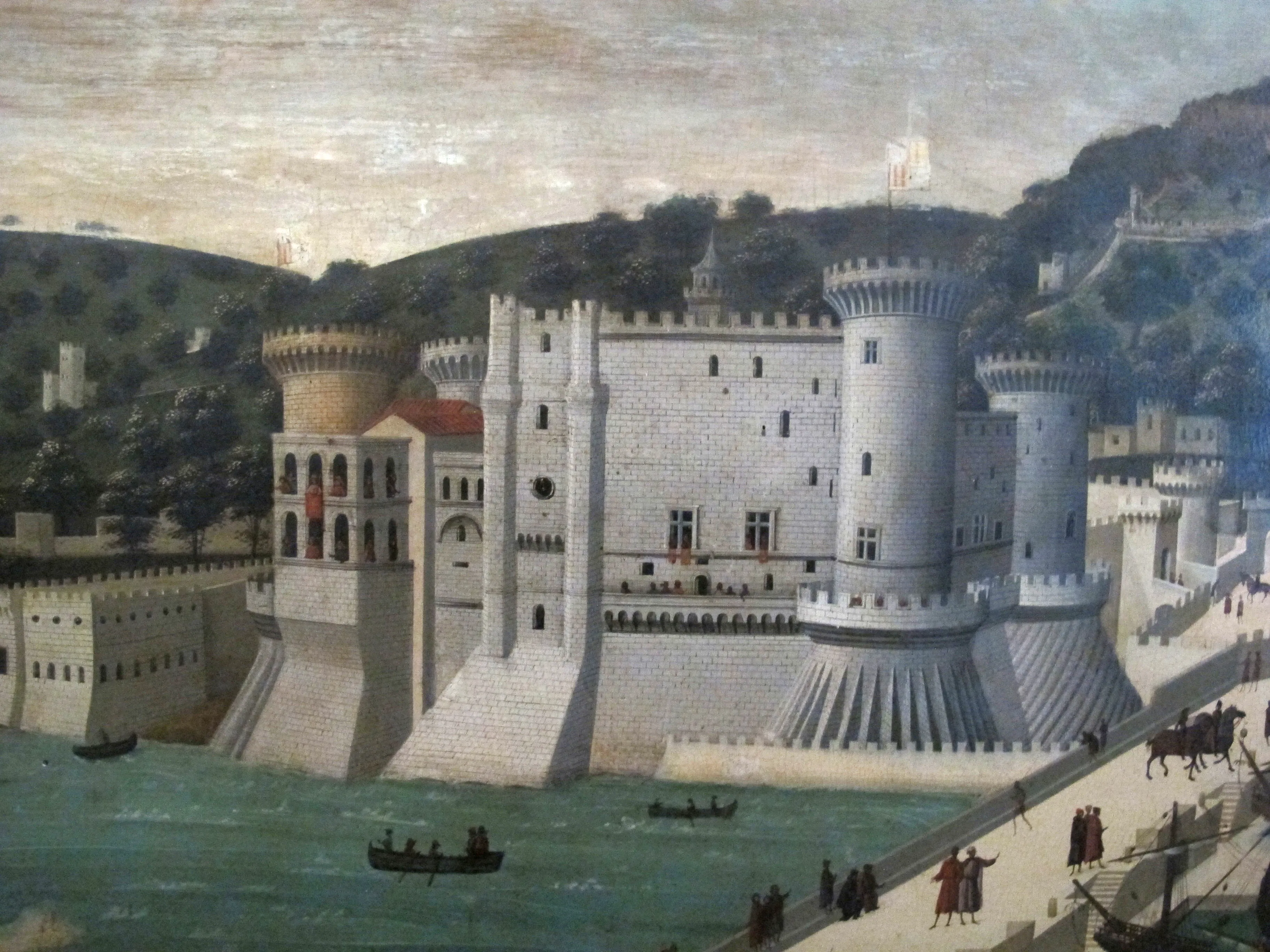
Though born in a medieval era, the castle stood in a city layered with classical heritage. As Naples expanded around Piazza Municipio and the harbor, Castel Nuovo anchored civic life—its courts, ceremonies, and embassies resonating through streets that carried goods and ideas across the Mediterranean.
Aragonese rulers later reshaped the fortress to meet Renaissance tastes and strategic needs, improving defenses while threading art and humanist motifs into stone—a reflection of a city knitting ancient memory to contemporary ambition.
Architecture & domestic spaces
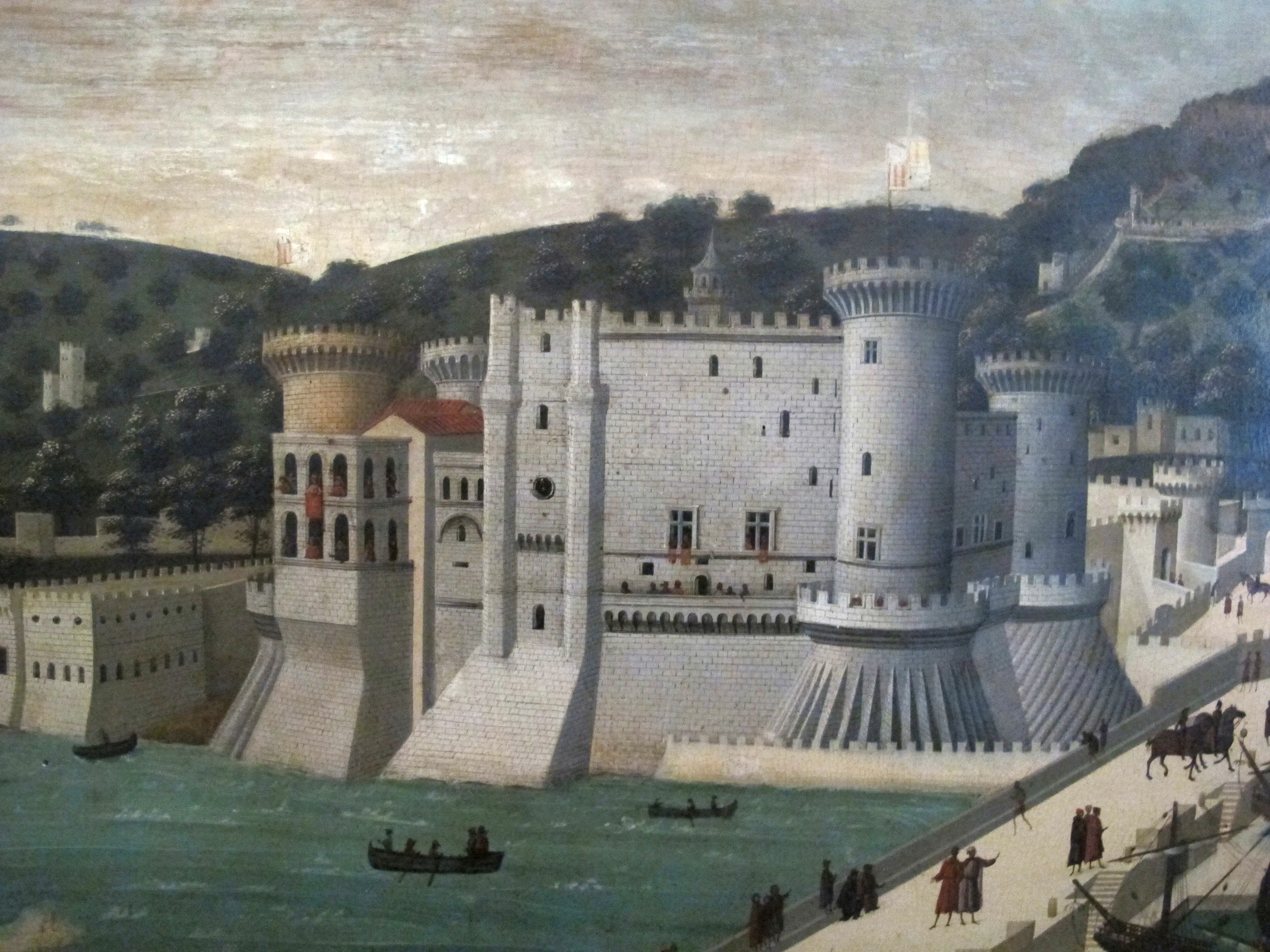
Five cylindrical towers, thick curtain walls, and a broad courtyard establish mass and rhythm; inside, the Sala dei Baroni unfurls a vaulted ceiling whose ribs gather like ship beams, and the Cappella Palatina offers a calm interior that once framed royal devotion and ceremony.
The Renaissance triumphal arch stitches classical imagery to fortress grit: marble reliefs narrate victory while basalt blocks hold the line. Rooms that served administration and reception now host museum collections—where portraits, artifacts, and city relics add a human scale to stone.
Eruption of AD 79 timeline
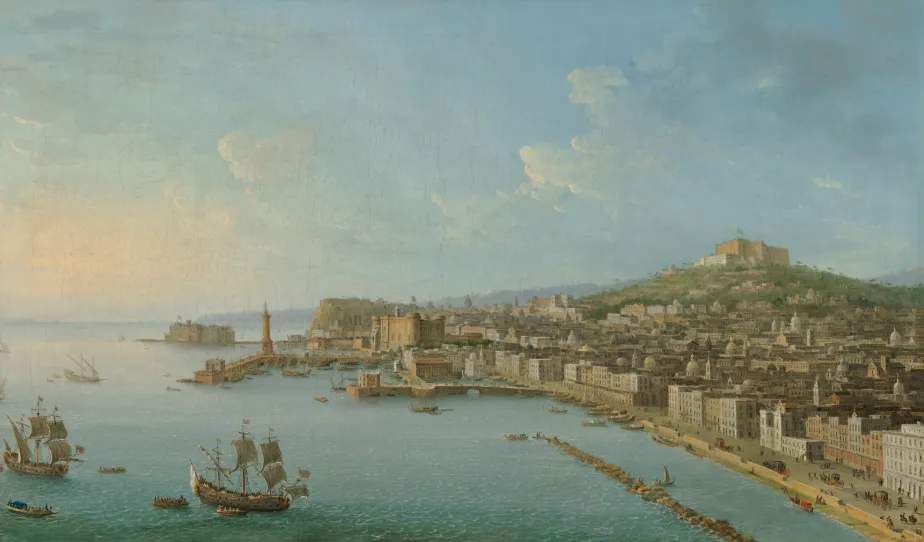
The castle postdates the AD 79 eruption, yet Naples’ architecture and materials bear volcanic lineage—piperno and tuff shaped walls, and the city’s awareness of natural forces informed robust construction and prudent siting near the harbor’s lifelines.
Across centuries, storms, tremors, and sieges tested the fortress. Each repair inscribed new knowledge into the stone—preserving not only structure but the narrative of a city adapting to a living landscape.
Daily life: work & leisure
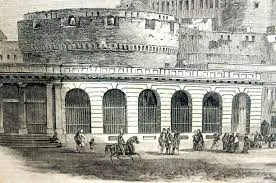
Court life pulsed through offices and halls—scribes and envoys in brisk motion, artisans tending wood and stone, guards measuring time by bells and steps along the battlements. Ceremonies transformed architecture into theater, with banners and music tightening the bond between ruler and city.
Today, galleries and events invite leisure into the same spaces: families trace carvings, students sketch towers, and visitors pause in the chapel’s quiet to feel the city’s voice soften into reverence.
Excavation & archaeological methods
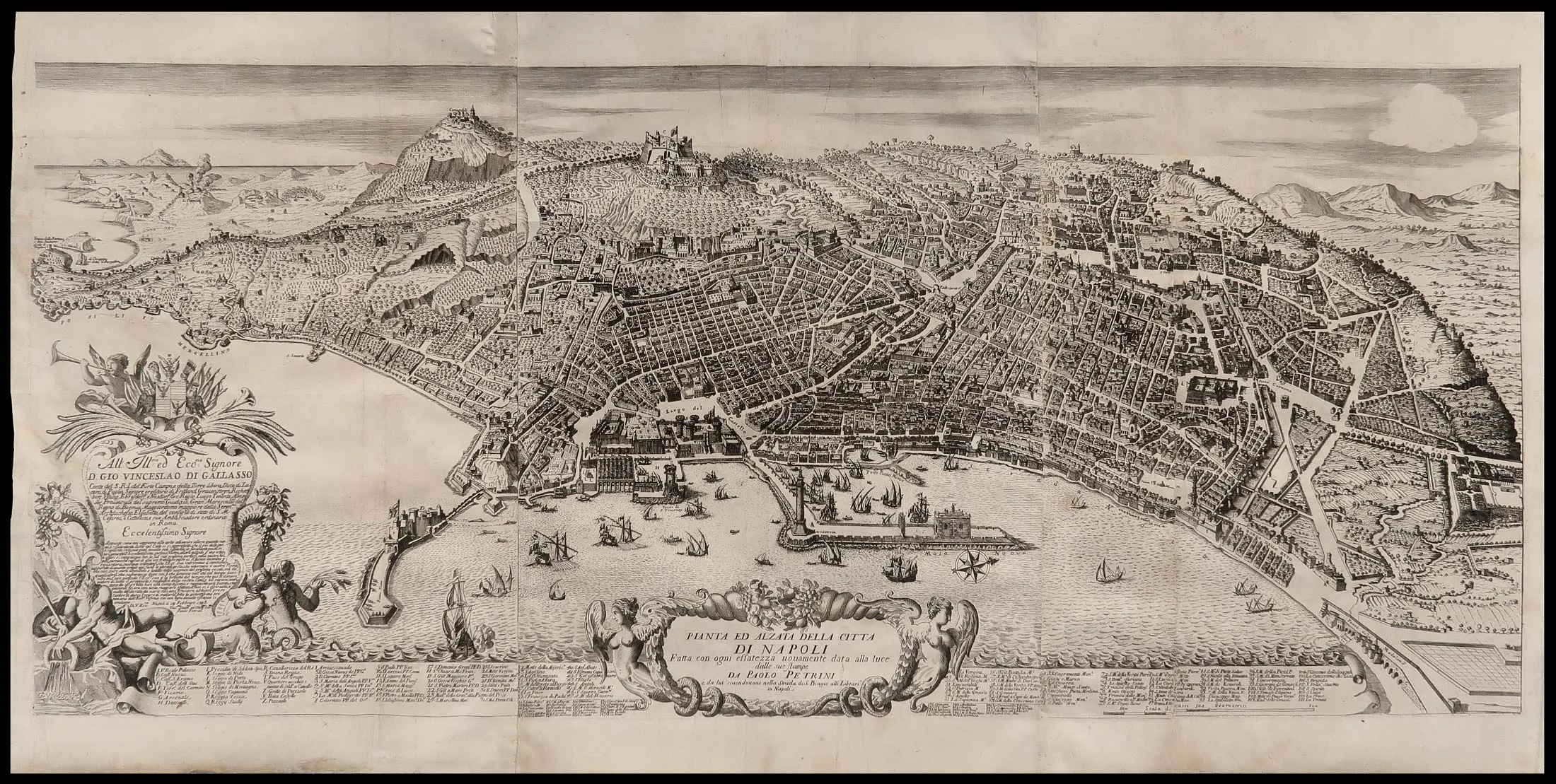
Restoration shifted from surface repair to careful documentation—surveying masonry bonds, cataloging stone types, and stabilizing vaults with techniques that respect original intent while ensuring visitor safety.
Modern tools—laser scans, material analysis, and environmental monitoring—guide conservation teams, balancing access with longevity so future generations can read history in the very joints of the stone.
Accessibility & visitor comfort
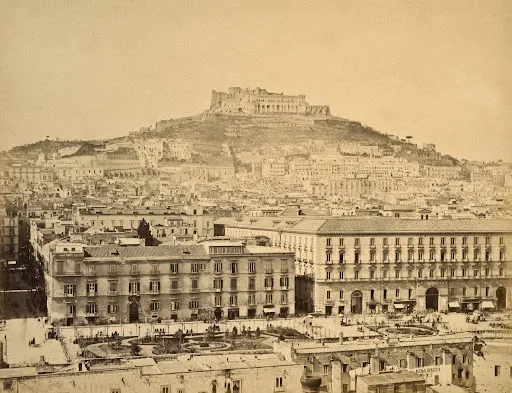
Routes are clearly signed; selected ramps and gentler corridors improve access, though some stairs remain intrinsic to the fortress. Maps at the entrance highlight smoother paths.
Seating clusters and indoor galleries provide rest points. Plan short breaks, hydrate in warm months, and pace your climb through towers and halls.
Sustainability & conservation ethics
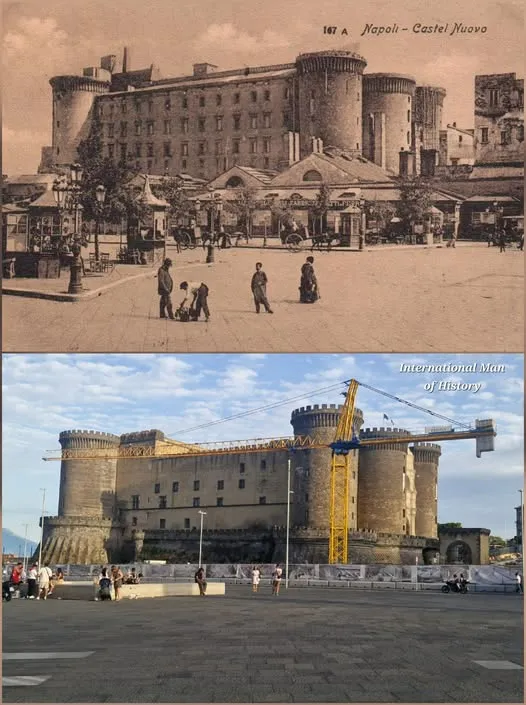
Salt air, traffic vibration, and human touch challenge stone and marble. Ethical conservation weighs exhibition against wear—opening beloved spaces while limiting strain on carvings and vaults.
Sensors track microclimates and stress points; targeted interventions, respectful materials, and visitor education form a sustainable triad.
Global fascination & imagery
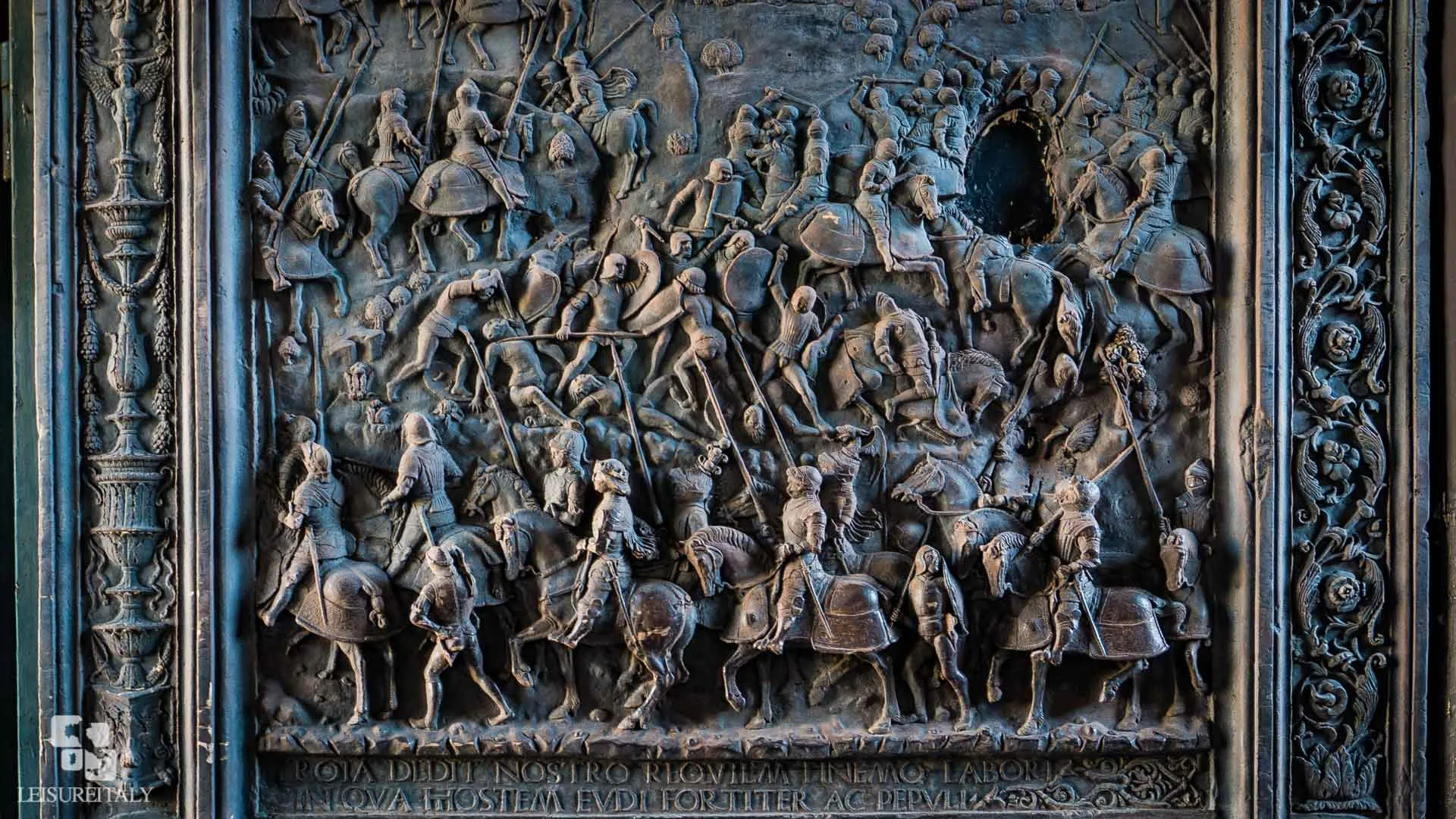
The fortress anchors postcards and film frames—its towers and arch read instantly as Naples, a skyline memory that blends politics, art, and sea.
Exhibitions and media revisit royal narratives and craft traditions, keeping the castle present in a global imagination fascinated by cities that speak through stone.
Planning with historical context
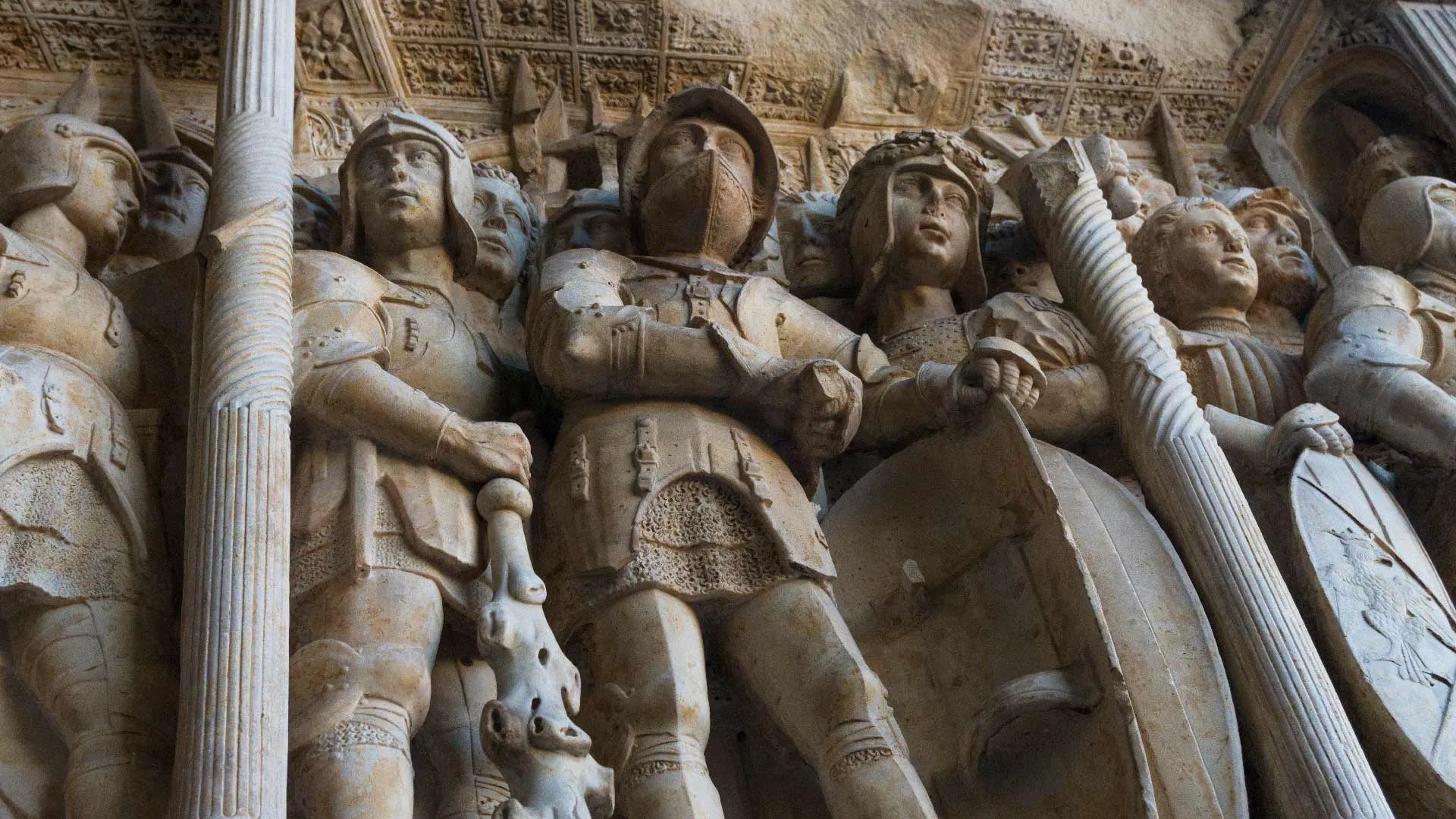
Plan a loop: arch and courtyard, chapel quiet, museum rooms, then the Sala dei Baroni—context layering turns walls into a story you can walk.
Look closely at tool marks, stone joints, and carved figures; these details reveal craftsmen’s decisions and the rhythms of maintenance that kept the fortress alive.
Vesuvius and regional landscape
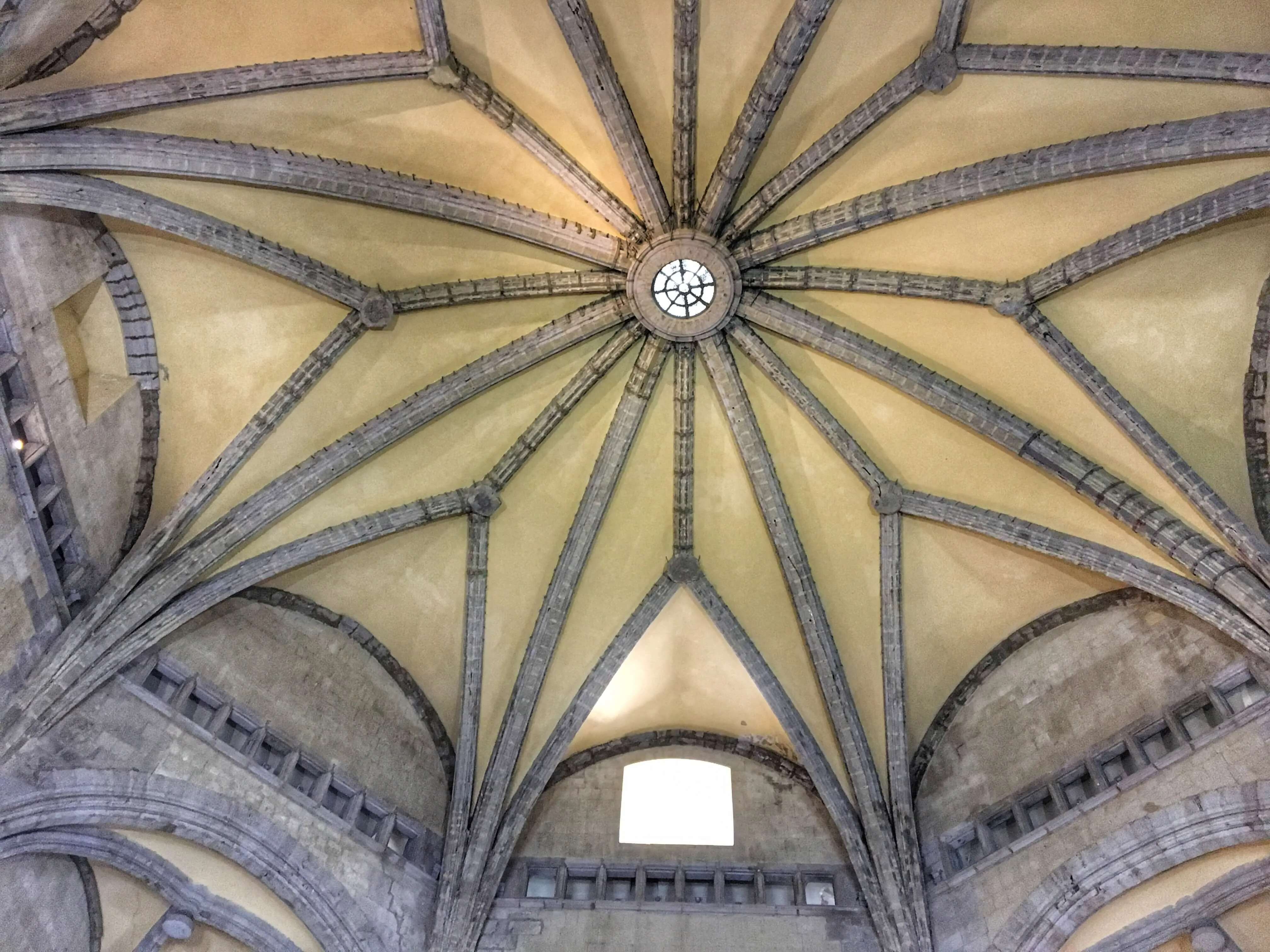
The bay, the volcano, and the port formed a triad that shaped Naples’ destiny—trade routes, risk awareness, and seafaring culture woven into city life.
A walk along the waterfront or a view toward Vesuvius adds geological context to the castle’s human story—nature and architecture in dialogue.
Nearby complementary sites
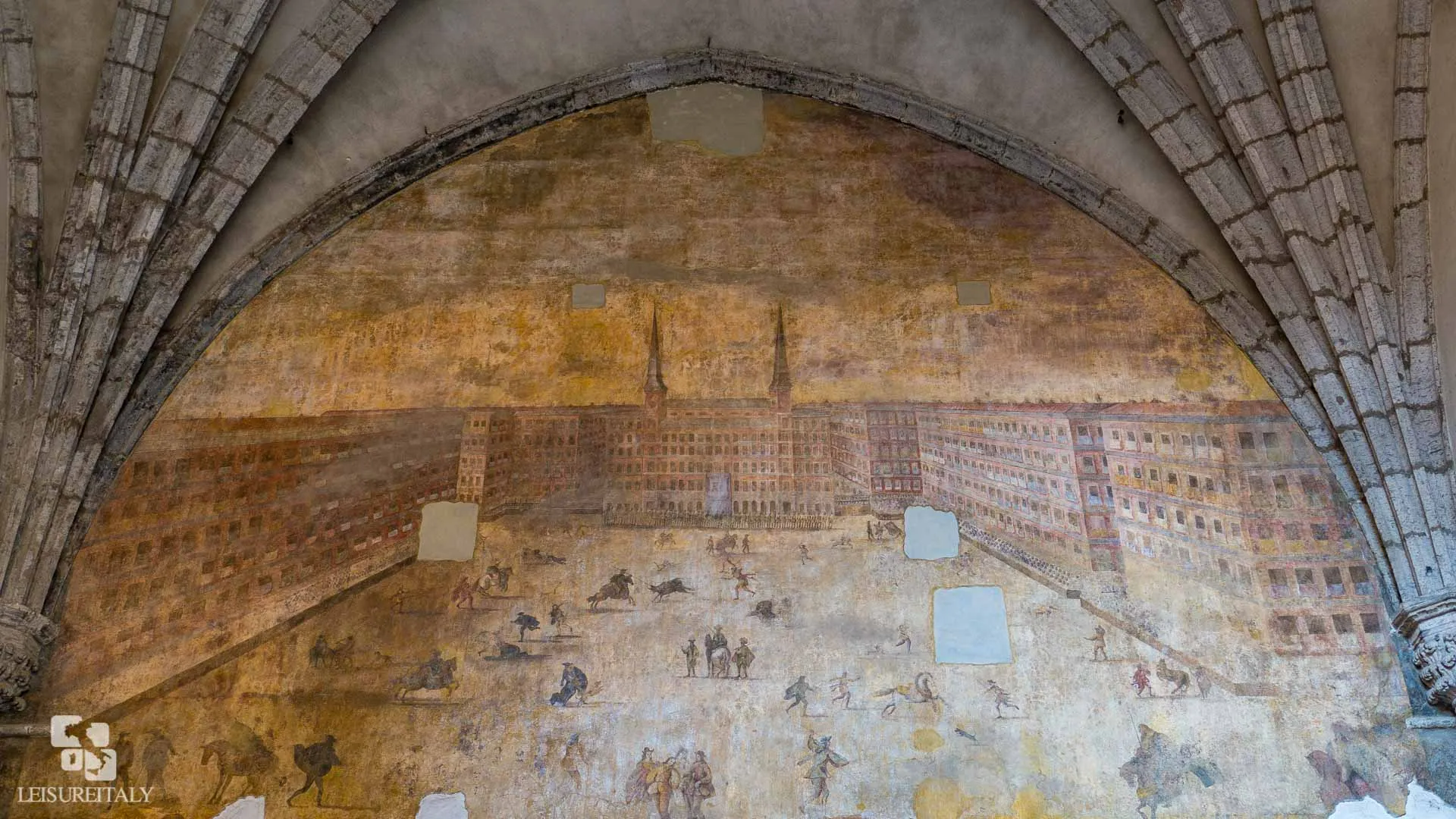
Royal Palace, San Carlo Theatre, Galleria Umberto, and Castel dell’Ovo form a compelling circuit—architecture, performance, and seaside views within easy walking distance.
A multi‑site itinerary reveals the layers of Naples: royal protocol, civic spaces, and maritime views that frame the city’s everyday rhythms.
Enduring legacy of Pompeii
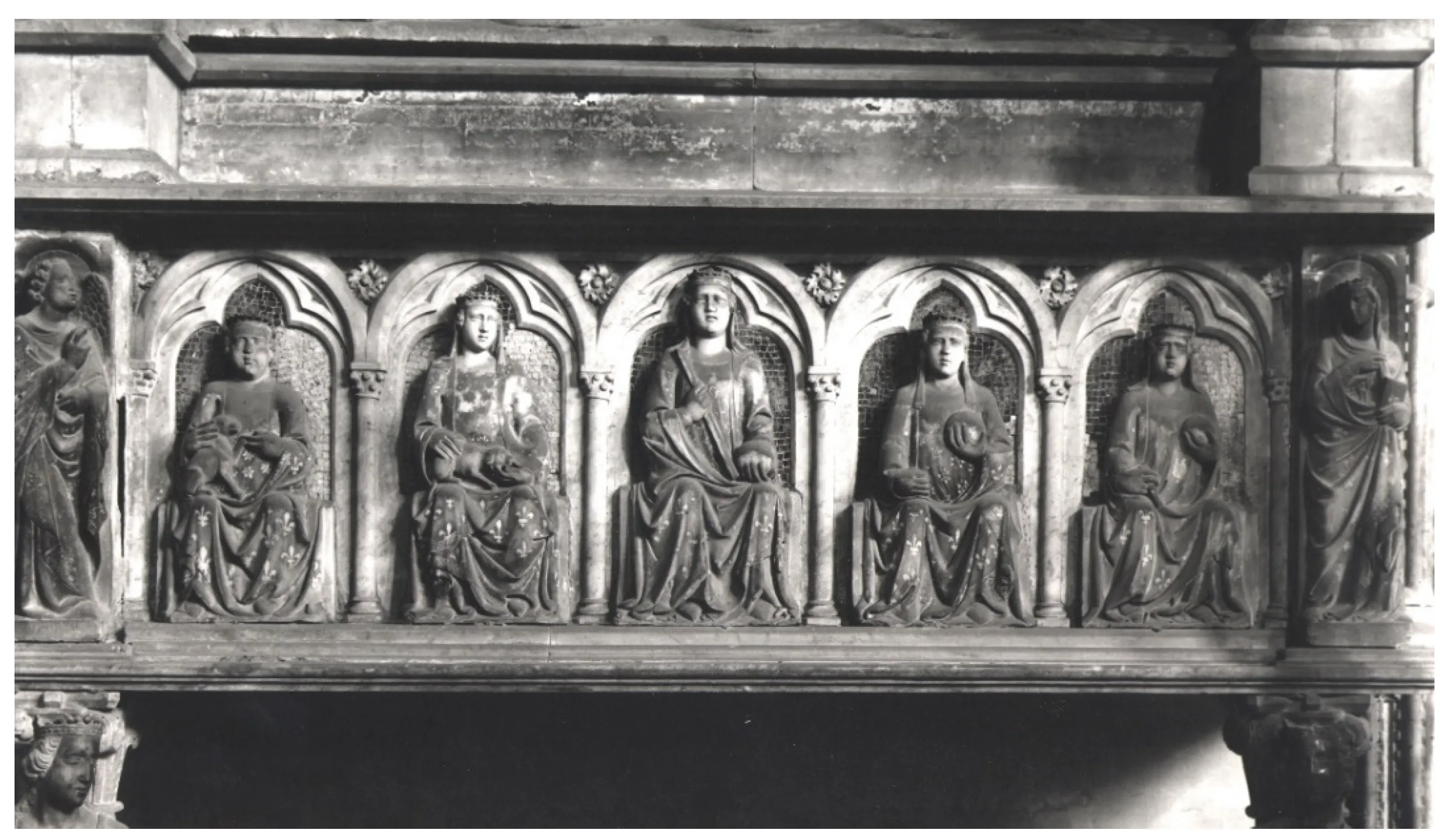
Castel Nuovo symbolizes Naples’ ability to distill power into stone—ceremony, diplomacy, and craft bound to a harbor that sent ships and stories across the world.
Ongoing study and careful conservation revise understanding of resilience and adaptation—how a fortress becomes a museum without losing the echoes that give walls their voice.
Table of Contents
Origins and early settlement
Castel Nuovo rose in the late 13th century under the Angevins, when Charles I of Anjou sought a new royal seat near the sea—closer to trade winds, fleets, and the pulse of a growing port. The choice marked a shift from older inland strongholds to a coastal fortress able to signal power to ships and citizens alike.
The first stone courses defined a compact, defensible outline; over time, walls thickened, towers multiplied, and the castle became both palace and shield, gathering scribes, soldiers, and craftsmen whose daily labors stitched the monarchy into Naples’ urban fabric.
Rome’s influence and urban growth
Though born in a medieval era, the castle stood in a city layered with classical heritage. As Naples expanded around Piazza Municipio and the harbor, Castel Nuovo anchored civic life—its courts, ceremonies, and embassies resonating through streets that carried goods and ideas across the Mediterranean.
Aragonese rulers later reshaped the fortress to meet Renaissance tastes and strategic needs, improving defenses while threading art and humanist motifs into stone—a reflection of a city knitting ancient memory to contemporary ambition.
Architecture & domestic spaces
Five cylindrical towers, thick curtain walls, and a broad courtyard establish mass and rhythm; inside, the Sala dei Baroni unfurls a vaulted ceiling whose ribs gather like ship beams, and the Cappella Palatina offers a calm interior that once framed royal devotion and ceremony.
The Renaissance triumphal arch stitches classical imagery to fortress grit: marble reliefs narrate victory while basalt blocks hold the line. Rooms that served administration and reception now host museum collections—where portraits, artifacts, and city relics add a human scale to stone.
Eruption of AD 79 timeline
The castle postdates the AD 79 eruption, yet Naples’ architecture and materials bear volcanic lineage—piperno and tuff shaped walls, and the city’s awareness of natural forces informed robust construction and prudent siting near the harbor’s lifelines.
Across centuries, storms, tremors, and sieges tested the fortress. Each repair inscribed new knowledge into the stone—preserving not only structure but the narrative of a city adapting to a living landscape.
Daily life: work & leisure
Court life pulsed through offices and halls—scribes and envoys in brisk motion, artisans tending wood and stone, guards measuring time by bells and steps along the battlements. Ceremonies transformed architecture into theater, with banners and music tightening the bond between ruler and city.
Today, galleries and events invite leisure into the same spaces: families trace carvings, students sketch towers, and visitors pause in the chapel’s quiet to feel the city’s voice soften into reverence.
Excavation & archaeological methods
Restoration shifted from surface repair to careful documentation—surveying masonry bonds, cataloging stone types, and stabilizing vaults with techniques that respect original intent while ensuring visitor safety.
Modern tools—laser scans, material analysis, and environmental monitoring—guide conservation teams, balancing access with longevity so future generations can read history in the very joints of the stone.
Accessibility & visitor comfort
Routes are clearly signed; selected ramps and gentler corridors improve access, though some stairs remain intrinsic to the fortress. Maps at the entrance highlight smoother paths.
Seating clusters and indoor galleries provide rest points. Plan short breaks, hydrate in warm months, and pace your climb through towers and halls.
Sustainability & conservation ethics
Salt air, traffic vibration, and human touch challenge stone and marble. Ethical conservation weighs exhibition against wear—opening beloved spaces while limiting strain on carvings and vaults.
Sensors track microclimates and stress points; targeted interventions, respectful materials, and visitor education form a sustainable triad.
Global fascination & imagery
The fortress anchors postcards and film frames—its towers and arch read instantly as Naples, a skyline memory that blends politics, art, and sea.
Exhibitions and media revisit royal narratives and craft traditions, keeping the castle present in a global imagination fascinated by cities that speak through stone.
Planning with historical context
Plan a loop: arch and courtyard, chapel quiet, museum rooms, then the Sala dei Baroni—context layering turns walls into a story you can walk.
Look closely at tool marks, stone joints, and carved figures; these details reveal craftsmen’s decisions and the rhythms of maintenance that kept the fortress alive.
Vesuvius and regional landscape
The bay, the volcano, and the port formed a triad that shaped Naples’ destiny—trade routes, risk awareness, and seafaring culture woven into city life.
A walk along the waterfront or a view toward Vesuvius adds geological context to the castle’s human story—nature and architecture in dialogue.
Nearby complementary sites
Royal Palace, San Carlo Theatre, Galleria Umberto, and Castel dell’Ovo form a compelling circuit—architecture, performance, and seaside views within easy walking distance.
A multi‑site itinerary reveals the layers of Naples: royal protocol, civic spaces, and maritime views that frame the city’s everyday rhythms.
Enduring legacy of Pompeii
Castel Nuovo symbolizes Naples’ ability to distill power into stone—ceremony, diplomacy, and craft bound to a harbor that sent ships and stories across the world.
Ongoing study and careful conservation revise understanding of resilience and adaptation—how a fortress becomes a museum without losing the echoes that give walls their voice.